
The Silent Struggle: Why Stress Urinary Incontinence Doesn’t Have to Be Your “New Normal”
The Problem No One Talks About

You’re at the grocery store, and you feel it coming. That familiar pressure. You clench, you hold your breath, and you pray you make it to the restroom in time. Or maybe you’ve stopped laughing at your grandchildren’s jokes because you know what might happen. Perhaps you’ve mapped out every public bathroom in your neighborhood, just in case.
If this sounds familiar, you’re not alone. Stress urinary incontinence affects millions of women over 40, yet it remains one of the most under-discussed health issues. The constant worry about leaks, the daily reliance on pads and liners, the secret laundry loads, and the gradual withdrawal from activities you once loved—these are the invisible burdens that chip away at your confidence and quality of life.
Many women describe feeling betrayed by their own bodies. After years of taking care of everyone else, your body seems to have stopped taking care of you. The embarrassment can be overwhelming. You might avoid exercise classes, skip social gatherings, or even decline invitations to travel. The emotional toll is real: anxiety, frustration, and a profound loss of freedom that many women suffer in silence, believing this is simply their “new normal.”
But here’s the truth that needs to be heard: You don’t have to live this way.
The Hidden Cost of Living with Incontinence
Beyond the physical discomfort, stress urinary incontinence extracts a heavy emotional and social price. Let’s talk about what this really looks like in your daily life.
The Constant Mental Load: Every outing requires planning. Where are the bathrooms? How long will I be away from home? Should I wear dark pants, just in case? This mental checklist runs in the background of your mind all day, every day. It’s exhausting.
The Intimacy Impact: Many women report that incontinence affects their romantic relationships. The fear of embarrassment can lead to avoiding physical intimacy altogether, creating distance in marriages and partnerships at a time when connection matters most.
The Exercise Paradox: You know exercise is good for your health, but high-impact activities like running, jumping, or even certain yoga poses can trigger leaks. So you stop. And as you become less active, other health issues may emerge—weight gain, muscle loss, decreased bone density—creating a downward spiral.
The Financial Burden: Pads, liners, specialty underwear, extra laundry detergent, additional clothing to keep “just in case”—these costs add up significantly over months and years. One study found that women with incontinence spend an average of $750 to $1,500 annually on incontinence products alone.
The Social Withdrawal: Perhaps most heartbreaking is the gradual retreat from life. Declining lunch with friends. Saying no to travel opportunities. Skipping your book club. Leaving events early. Little by little, your world gets smaller.
You didn’t choose this. You didn’t do anything wrong. But you are living with the consequences every single day.
Why Traditional Solutions Often Fall Short
If you’ve tried to address your incontinence, you’ve probably encountered these common approaches:
The “Just Do Kegels” Advice
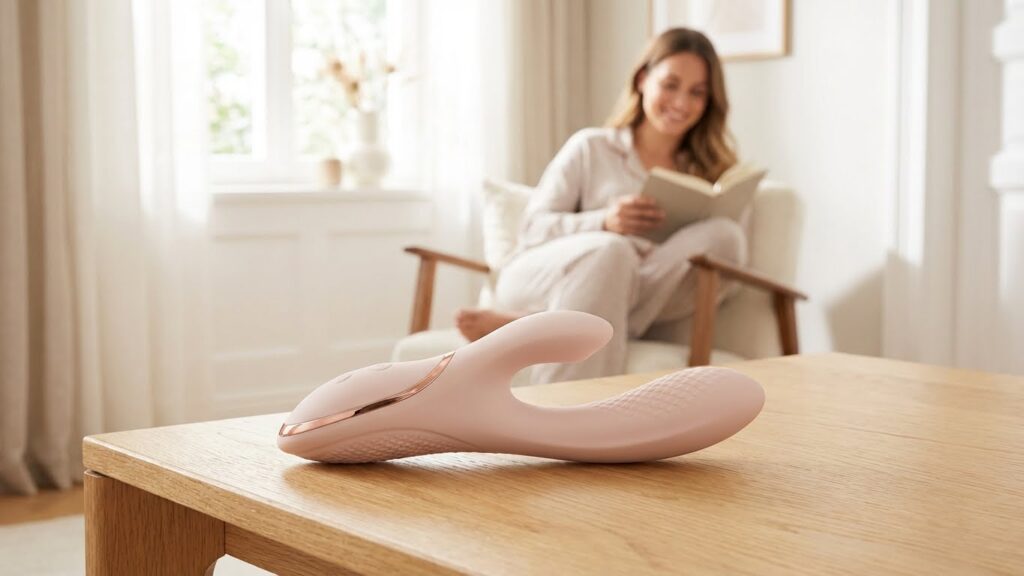
Your doctor may have told you to do Kegel exercises, perhaps demonstrating with a quick squeeze gesture. It sounds simple: contract, hold, release, repeat. But the reality is far more complex.
The Technique Problem: Without proper instruction and feedback, up to 50% of women perform Kegels incorrectly. Some bear down instead of lifting up, which can actually worsen symptoms. Others engage their abdomen, buttocks, or thighs instead of isolating the pelvic floor muscles. It’s like being told to “just play piano” without ever hearing the correct notes or having someone watch your finger placement.
The Consistency Challenge: Life is overwhelming. Between work, family, appointments, and endless responsibilities, remembering to do invisible exercises three times daily requires a level of discipline that’s genuinely difficult to maintain. There’s no gym to remind you, no trainer to hold you accountable, no visible progress to keep you motivated.
The Intensity Gap: Just as lifting the same light weight won’t continue building muscle indefinitely, basic squeeze-and-hold exercises may not provide sufficient resistance or progressive challenge to strengthen significantly weakened pelvic floor muscles.
This doesn’t mean Kegels don’t work—when done correctly, consistently, and with proper progression, they can be highly effective. The problem is that most women don’t have access to the professional guidance needed to succeed with them.
Pelvic Floor Physical Therapy
Pelvic floor physical therapy is considered the gold standard treatment, and for good reason. A trained therapist can assess your specific issues, teach proper technique, and create a personalized program.
However, significant barriers exist:
- Availability: Pelvic floor physical therapists are in short supply. Depending on where you live, you may have to wait months for an appointment or travel long distances.
- Cost: Even with insurance, co-pays add up quickly. Many insurance plans cover only a limited number of sessions, and out-of-pocket costs can reach thousands of dollars.
- Time Commitment: Between driving to appointments, waiting room time, and the sessions themselves, PT requires a significant time investment that working women and caregivers often struggle to accommodate.
- Discomfort: While professional and clinical, internal pelvic exams can feel invasive and uncomfortable for many women.
Medical and Surgical Interventions
For severe cases, doctors may suggest medications, pessaries, bladder slings, or other surgical procedures. While these have their place, they also come with considerations:
- Medications often have side effects like dry mouth, constipation, or dizziness
- Pessaries require fitting, maintenance, and regular monitoring
- Surgery carries inherent risks, recovery time, and the possibility that symptoms may return
- These approaches treat symptoms but don’t address the underlying muscle weakness
Many women wish there were an option between “do Kegels on your own” and “have surgery”—something effective, convenient, and non-invasive.
Understanding What Your Body Really Needs
To reclaim bladder control, your pelvic floor muscles need three essential elements:
1. Proper Muscle Activation
Your pelvic floor muscles need to relearn how to contract correctly and at the right time. This requires neuromuscular re-education—reestablishing clear communication between your brain and these muscles. It’s not just about squeezing harder; it’s about engaging the right muscles with the right technique at the right moments.
2. Consistent, Progressive Strengthening
Like any muscle group, your pelvic floor needs regular, progressive resistance training to build strength. Sporadic efforts won’t cut it. You need a structured program that gradually increases in intensity as your muscles adapt and grow stronger.
3. Enhanced Circulation and Tissue Health
Your pelvic floor muscles need adequate blood flow to deliver oxygen and nutrients while removing metabolic waste. Additionally, the connective tissues supporting your pelvic organs need to maintain their integrity. As estrogen levels decline with age, collagen production decreases, affecting the structural support of this entire region.
When these three elements come together consistently, remarkable changes become possible. Your muscles grow stronger, your bladder support improves, and those embarrassing leaks begin to diminish.
The question is: how do you provide all three elements effectively while juggling the demands of your busy life?
There’s a Better Way Forward

For years, women faced a frustrating gap: DIY Kegels rarely worked well enough, but professional therapy was often inaccessible or unaffordable. Surgery seemed too drastic. So millions of women simply accepted their situation, believing they had no other choice.
But healthcare technology has evolved dramatically. Today, innovative solutions are bridging that gap—combining the effectiveness of professional-grade pelvic floor therapy with the convenience and privacy of at-home use.
Finessa represents this new generation of natural, non-invasive solutions. It’s a revolutionary pelvic floor training device that uses advanced EMS (Electrical Muscle Stimulation) technology to deliver targeted, progressive strengthening right in the comfort of your home.
How Finessa Works Differently
Unlike trying to do Kegels on your own, Finessa provides:
✅ Correct Muscle Activation Every Time: The device stimulates the precise muscles that need strengthening, eliminating the guesswork and technique errors that plague traditional Kegels.
✅ Clinical-Grade Intensity: Finessa delivers therapeutic-level muscle contractions that would be impossible to achieve through voluntary exercises alone—similar to what you’d experience in a physical therapist’s office.
✅ Built-In Consistency: Just 20 minutes a day, with the device doing the work for you. No need to remember exercises or count repetitions.
✅ Progressive Programs: Finessa offers multiple intensity levels and specialized programs that adapt as your muscles grow stronger, ensuring continued progress.
✅ Enhanced Circulation: The electrical stimulation increases blood flow to the pelvic region, supporting tissue health and accelerated healing.
Real Results, Real Freedom
Women using Finessa report significant improvements within weeks:
- Dramatic reduction in daily leaks and “emergency” bathroom trips
- Renewed confidence in social situations and physical activities
- Better sleep without nighttime interruptions
- Improved intimacy and relationship satisfaction
- Freedom to laugh, sneeze, and exercise without fear
Most importantly, they report feeling like themselves again—reclaiming the active, confident, spontaneous life that incontinence had stolen from them.
Your Next Step Toward Freedom
You’ve lived with the worry, the planning, the embarrassment long enough. You’ve probably tried traditional Kegels without success. You may have considered physical therapy but found it impractical or unaffordable.
Finessa offers a different path—one that’s effective, convenient, affordable, and completely private.
Imagine three months from now: You’re laughing freely with your friends. You’re taking that yoga class you’ve been avoiding. You’re planning a weekend getaway without anxiety. You’re living your life on your terms again.
That future is possible, and it starts with one decision.
👉 Discover how Finessa can help you reclaim your confidence and freedom →
Thousands of women have already taken this step. They’ve stopped accepting incontinence as their “new normal” and started experiencing real, lasting results. You can too.
Don’t let another day pass living with unnecessary limitations. Your body has the capacity to heal and strengthen—it just needs the right support.
Read our complete Finessa review and see if it’s right for you →
“Ready for the full solution? Read our in-depth Finessa Review here”.
Disclaimer: This article is for informational purposes only and does not constitute medical advice. Always consult with your healthcare provider before starting any new treatment program. Individual results may vary.
Leave a Reply