
The Hidden Blood Sugar Spike Destroying Your Health After 40
Blood sugar spike. Those three words might not sound alarming if you’ve never been diagnosed with diabetes.
But here’s what most people don’t know: you don’t need to be diabetic to have blood sugar spikes that are quietly destroying your health from the inside out.
In fact, groundbreaking research from Stanford University revealed something shocking.
When scientists fitted healthy people—people with no diabetes diagnosis, normal A1C levels, and no obvious symptoms—with continuous glucose monitors, they discovered that over 50% of them experienced blood sugar spikes at diabetic levels after eating regular meals.
Let that sink in. More than half of people who think they’re healthy are walking around with blood sugar levels spiking as high as someone with full-blown diabetes.
And they have absolutely no idea it’s happening.
If you’re over 40, struggling with stubborn weight that won’t budge, constantly tired no matter how much you sleep, or dealing with intense cravings you can’t control—this could be you.
In this article, you’re going to discover exactly what blood sugar spikes are, why they happen even in “healthy” people, how they silently damage your body, and the five warning signs that your blood sugar is already out of control.

What Is a Blood Sugar Spike—And Why Should You Care?
A blood sugar spike happens when the amount of glucose circulating in your bloodstream suddenly rises higher than your body can handle.
This typically occurs after eating, especially when you consume carbohydrates like bread, pasta, rice, or anything with sugar.
Here’s how it’s supposed to work in a healthy body:
You eat food. Your digestive system breaks it down into glucose. The glucose enters your bloodstream.
Your pancreas releases insulin—a hormone that acts like a key to unlock your cells. Insulin allows glucose to enter your cells, where it’s burned for energy.
Your blood sugar returns to normal levels.
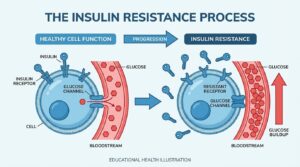
But here’s the problem. After years of eating processed foods, living with chronic stress, not sleeping enough, and becoming less active, your cells stop responding to insulin the way they’re supposed to.
This condition is called insulin resistance. And when you’re insulin resistant, glucose can’t get into your cells efficiently. So it builds up in your bloodstream.
Your blood sugar spikes. Your pancreas panics and releases even more insulin to try to compensate. Eventually, your blood sugar crashes.
And the cycle repeats itself—over and over—damaging your body a little more each time.
Why Blood Sugar Spikes Happen Even in “Healthy” People
The Stanford study that revealed this hidden epidemic used continuous glucose monitors—devices that track blood sugar levels 24/7,
not just during the occasional finger prick test your doctor might do once a year.
What they found was alarming.
Even people with normal fasting glucose levels and normal A1C tests were experiencing massive blood sugar spikes throughout the day.
After eating a simple bowl of cornflakes with milk, 80% of participants spiked to diabetic-level blood sugar.
After eating white rice, bread, or pasta, the spikes were just as severe.
Here’s why this is happening to so many people:
Your body develops insulin resistance gradually.
You don’t wake up one day with full-blown diabetes. It starts with your cells becoming slightly less responsive to insulin.
Then a little more resistant. Then significantly resistant. This process can take years—even decades. And during all that time, your blood sugar is spiking after meals, but it’s not high enough during a fasting test for your doctor to flag it as a problem.
Meanwhile, every single spike is doing damage. Every time your blood sugar shoots up, it triggers inflammation in your blood vessels.
It stresses your pancreas. It promotes fat storage—especially around your belly. It disrupts your energy levels. It messes with your mood.
It interferes with your sleep. And it inches you closer and closer to prediabetes, type 2 diabetes, heart disease, and metabolic syndrome.
The Devastating Consequences of Repeated Blood Sugar Spikes
Most people think high blood sugar only matters if you have diabetes. That’s dangerously wrong.
Here’s what repeated blood sugar spikes do to your body—even if you’re not diabetic yet:
They Make You Gain Weight—Especially Around Your Belly
When your blood sugar spikes, your body releases a flood of insulin to bring it back down. But insulin doesn’t just lower blood sugar.
It also signals your body to store energy as fat.
The more frequently your blood sugar spikes, the more insulin your body produces.
The more insulin circulating in your bloodstream, the more fat you store—particularly around your midsection.
This is why belly fat is so closely linked to insulin resistance. It’s not just about eating too much. It’s about your blood sugar being out of control and your body constantly being told to store fat instead of burn it.
They Drain Your Energy and Make You Constantly Tired
After a blood sugar spike, there’s almost always a crash. As your blood sugar plummets back down—sometimes even lower than where it started—you feel exhausted.
Brain fog sets in. You can’t focus. You desperately crave sugar or carbs to bring your energy back up. And when you give in to that craving, the whole cycle starts again.
This is why so many people feel like they need coffee every few hours or reach for a snack mid-afternoon.
They’re not weak-willed. Their blood sugar is on a roller coaster, and their body is just trying to keep up.
They Damage Your Blood Vessels and Increase Heart Disease Risk
Every time your blood sugar spikes above healthy levels, it causes oxidative stress and inflammation in the lining of your blood vessels.
Over time, this damage accumulates. Blood vessels become stiffer. Plaque builds up. Your risk of heart attack and stroke increases dramatically.
Research shows that people with insulin resistance—even without a diabetes diagnosis—have significantly higher rates of cardiovascular disease.
The damage is happening silently, years before any obvious symptoms appear.
They Accelerate Aging and Damage Your Organs
High blood sugar is toxic to your body’s tissues. It causes a process called glycation, where sugar molecules attach to proteins in your body and form harmful compounds called AGEs (advanced glycation end products).
AGEs accumulate in your skin, causing wrinkles and sagging. They damage your kidneys. They contribute to nerve damage. They impair your immune system, making you more susceptible to infections. They even affect your brain, increasing your risk of cognitive decline and Alzheimer’s disease.
The 5 Warning Signs Your Blood Sugar Is Already Out of Control
Because blood sugar spikes often happen silently, most people don’t realize there’s a problem until they’re diagnosed with prediabetes or type 2 diabetes.
But your body is giving you warning signs long before that happens.
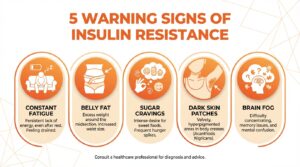
Here are the five most common symptoms of insulin resistance and blood sugar dysregulation:
- You’re Constantly Tired—No Matter How Much You Sleep
If you wake up feeling exhausted, drag yourself through the day, and need multiple cups of coffee just to function, your blood sugar might be the culprit.
The spike-and-crash cycle depletes your energy reserves and leaves you feeling chronically fatigued.
- You Can’t Lose Weight—Especially Around Your Belly
If you’re eating less and exercising more but the scale won’t budge—or worse, you’re gaining weight—insulin resistance is likely to blame.
When insulin levels are chronically elevated, your body is locked in fat-storage mode. No amount of calorie restriction or cardio can overcome that.
- You Experience Intense Cravings for Sugar and Carbs
If you feel like you’re addicted to bread, pasta, sweets, or snacks—and you can’t go more than a few hours without eating—that’s a strong sign your blood sugar is unstable.
These cravings aren’t a willpower problem. They’re a hormonal response to blood sugar crashes.
- You Have Dark Patches of Skin on Your Neck, Armpits, or Groin
This condition is called acanthosis nigricans, and it’s a visible sign of insulin resistance.
High insulin levels stimulate skin cells to multiply faster than normal, creating these darkened, thickened patches.
If you notice this, your blood sugar has been dysregulated for a while.
- You Experience Brain Fog, Mood Swings, or Irritability
Blood sugar imbalances are one of the leading causes of mood swings and cognitive issues.
When your blood sugar crashes, your brain doesn’t get the steady fuel it needs.
The result is brain fog, difficulty concentrating, irritability, and even anxiety or depression.
What Most Doctors Don’t Tell You About Blood Sugar Testing
Here’s a frustrating truth: the standard blood tests your doctor runs once a year often miss blood sugar problems entirely.
A fasting glucose test only measures your blood sugar at one moment in time—after you’ve fasted for 8 to 12 hours.
It doesn’t show what your blood sugar does after you eat. And that’s where the real damage is happening.
An A1C test measures your average blood sugar over the past three months. But “average” can be misleading.
You could have massive spikes and crashes throughout the day that average out to a “normal” number—while your body is still suffering all the consequences of those fluctuations.
This is why so many people with insulin resistance and dangerous blood sugar spikes never get diagnosed until they’ve progressed to full-blown prediabetes or type 2 diabetes.
By that point, significant damage has already been done.
The Truth About What Causes Blood Sugar Spikes
If you’ve been told that blood sugar problems are just about eating too much sugar or not exercising enough, you’ve only been given part of the story.
Here’s what actually drives insulin resistance and blood sugar dysregulation:
A Diet High in Processed Carbohydrates
Refined carbs—white bread, pasta, rice, crackers, cereals, pastries, and sugary drinks—are the biggest culprits.
These foods break down into glucose almost instantly, flooding your bloodstream with sugar and forcing your pancreas to release huge amounts of insulin.
Over time, your cells become resistant to that constant insulin bombardment.
Chronic Stress
When you’re stressed, your body releases cortisol—a hormone that raises blood sugar to give you energy to deal with the perceived threat.
But when stress becomes chronic, cortisol stays elevated. This keeps your blood sugar high and promotes insulin resistance.
Poor Sleep
Even a single night of poor sleep impairs your body’s ability to use insulin effectively.
Chronic sleep deprivation makes insulin resistance significantly worse.
Research shows that people who regularly sleep less than six hours per night have a 40% higher risk of developing type 2 diabetes.
Lack of Physical Activity
Movement helps your cells respond better to insulin.
When you’re sedentary, your muscles become less sensitive to insulin’s signals, and glucose has a harder time getting into your cells.
This is why exercise is one of the most powerful tools for reversing insulin resistance.
Excess Body Fat—Especially Belly Fat
Fat cells—particularly visceral fat around your organs—release inflammatory compounds that interfere with insulin signaling.
The more belly fat you carry, the more insulin resistant you become. And the more insulin resistant you are, the harder it is to lose that belly fat. It’s a vicious cycle.
What You Can Do Right Now to Stop Blood Sugar Spikes
The good news is that blood sugar dysregulation and insulin resistance are reversible—if you take action before it progresses to full-blown diabetes.
Here are the most effective strategies for stabilizing your blood sugar and restoring insulin sensitivity:
Reduce Processed Carbohydrates
Cut back on refined carbs and replace them with whole foods that don’t spike your blood sugar as dramatically.
Focus on vegetables, lean proteins, healthy fats, and moderate amounts of complex carbohydrates like sweet potatoes, quinoa, and legumes.
Eat Protein and Fat With Every Meal
Protein and fat slow down the digestion of carbohydrates, preventing sharp blood sugar spikes.
Never eat carbs alone. Always pair them with a source of protein or healthy fat.
Move Your Body After Eating
Even a 10 to 15-minute walk after a meal can significantly reduce post-meal blood sugar spikes.
Movement helps your muscles absorb glucose from your bloodstream without needing as much insulin.
Prioritize Sleep
Aim for seven to eight hours of quality sleep per night.
Poor sleep is one of the fastest ways to make insulin resistance worse.
Manage Stress
Chronic stress keeps cortisol elevated, which keeps blood sugar high.
Find ways to manage stress—whether through meditation, deep breathing, exercise, or simply taking breaks throughout your day.
Support Your Body With the Right Nutrients
Certain natural compounds have been clinically proven to improve insulin sensitivity and help regulate blood sugar levels.
These include berberine, alpha-lipoic acid, magnesium, cinnamon, chromium, and zinc—all of which work synergistically to support healthy glucose metabolism.
The Bottom Line: Your Blood Sugar Is More Important Than You Think
Blood sugar spikes aren’t just a problem for diabetics.
They’re silently affecting millions of people who think they’re healthy—causing weight gain, chronic fatigue, mood swings, brain fog, and setting the stage for serious diseases like type 2 diabetes and heart disease.
The earlier you address this, the better.
Once insulin resistance progresses to diabetes, it becomes much harder to reverse.
But if you catch it early—when you’re still in the insulin resistance or prediabetes stage—you can turn things around completely.
Your body is giving you warning signs right now.
The constant tiredness.
The stubborn belly fat.
The cravings.
The brain fog.
These aren’t just normal signs of aging.
They’re your body telling you that your blood sugar is out of control and needs support.
Ready to Take Control of Your Blood Sugar?
If everything in this article resonates with you—if you’ve been struggling with unexplained weight gain, constant fatigue, intense cravings, and a feeling that something is off with your metabolism—there’s a natural solution specifically designed to target blood sugar dysregulation at its source.
CardioNEX Glucose Management is a breakthrough formula combining 11 clinically-studied ingredients that work together to regulate blood sugar levels, reverse insulin resistance, and restore your body’s ability to metabolize glucose properly.
Each capsule contains a precise blend of Berberine,
Organic Ceylon Cinnamon,
Alpha-Lipoic Acid,
Gymnema Sylvestre,
Magnesium Gluconate,
and six additional powerful ingredients that support healthy blood sugar balance, reduce inflammation, and help your body use insulin properly again.
CardioNEX doesn’t just mask the symptoms. It addresses the root cause—restoring your cells’ ability to respond to insulin and metabolize glucose the way they’re supposed to.
Don’t wait until your doctor tells you you’re prediabetic or diabetic.
The damage is happening right now—with every blood sugar spike, every insulin surge, every day that goes by without support. Your body is giving you the warning signs. It’s time to listen.
Disclaimer: This article is for informational and educational purposes only. It is not intended to diagnose, treat, cure, or prevent any disease. Always consult with a qualified healthcare professional before starting any new supplement or making changes to your health routine.